


Hell
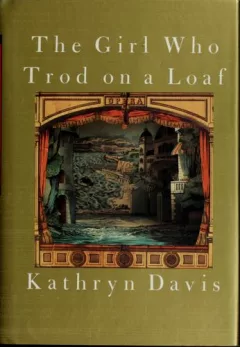
In Kathryn Davis's eerie novel, three households separated by time and space as well as scale coexist in a single restless vision: a dollhouse; a family in 1950s Philadelphia; and Moss cottage, home of Edwina Moss, a nineteenth-century expert on domestic management.
While the inhabitants of the dollhouse are powerless to shape their destiny, mysteriously propelled from room to room, the four members of the Philadelphia family dedicate themselves to mutual vigilance, as if it might be possible to foresee or even forestall disaster by keeping their eyes eternally glued to one another. Meanwhile, Edwina Moss concedes domestic control to the imagination and, finally, to the novel's governing spirit - the great culinary architect and chef to Napoleon, Antonin Careme.
Each household in this fearsome literary labyrinth contributes to the entire perverse invention, their secret desires converging in Edwina Moss's final work: The Blancmange.
While the inhabitants of the dollhouse are powerless to shape their destiny, mysteriously propelled from room to room, the four members of the Philadelphia family dedicate themselves to mutual vigilance, as if it might be possible to foresee or even forestall disaster by keeping their eyes eternally glued to one another. Meanwhile, Edwina Moss concedes domestic control to the imagination and, finally, to the novel's governing spirit - the great culinary architect and chef to Napoleon, Antonin Careme.
Each household in this fearsome literary labyrinth contributes to the entire perverse invention, their secret desires converging in Edwina Moss's final work: The Blancmange.
Komentáře
Přihlas se, abys mohl/a přidat komentář.






Zatím žádné komentáře. Buď první!